Are all refrigerator water filters the same?
At first glance, most refrigerator water filters look identical. They’re similar in size, shape, and packaging — and many claim to be “compatible replacements.” But when it comes to water safety, filtration performance, and appliance protection, not all refrigerator water filters are the same. The differences are often hidden inside the filter — and those differences matter.
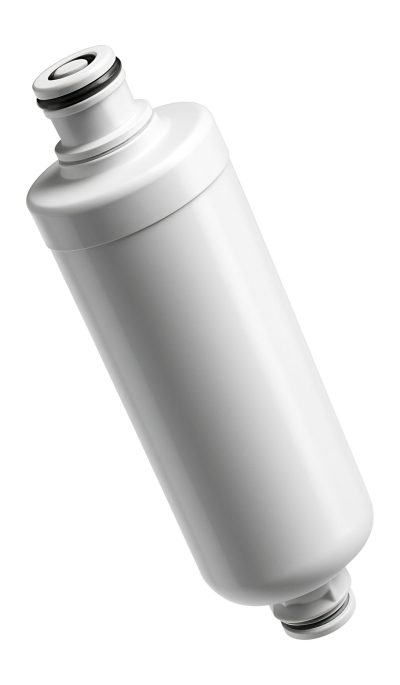
No… and the differences can affect your water quality
The short answer is no — and the differences can significantly affect your water quality, ice clarity, and even the long-term performance of your refrigerator. While many refrigerator water filters may look identical and claim to be “compatible replacements,” that compatibility often refers only to physical fit, not filtration performance. Some filters are designed merely to improve taste and odor, while others are engineered to reduce chlorine, sediment, and specific contaminants. Without understanding what’s inside the filter, it’s easy to assume all options deliver the same results — when in reality, performance can vary widely.

What truly separates refrigerator water filters is how they are made and tested. Filtration media quality, carbon type, media volume, and internal construction all play a role in how effectively a filter performs over its lifespan. Certified filters are independently tested to verify contaminant reduction claims, while uncertified or poorly tested filters may rely on vague marketing language without proof. Manufacturing standards also matter: filters produced under strict quality control are more likely to deliver consistent flow rates, reliable filtration, and fewer issues like leaks or pressure loss. A lower-quality filter may initially function but lose effectiveness far sooner than expected.
It’s also important to understand that “compatible” does not mean “comparable.” Two filters can fit the same refrigerator model yet perform very differently once installed. Price alone is not a reliable indicator of quality — but extremely low-cost filters often cut corners in materials, testing, and durability. Choosing a filter based solely on compatibility or cost can lead to disappointing taste, reduced contaminant reduction, or potential appliance issues over time. Knowing what differentiates one filter from another helps ensure you’re choosing a replacement that not only fits your refrigerator, but also delivers the clean, dependable water your household expects.