How do I know if my water filter is working?
Unlike a light bulb or appliance, a water filter doesn’t simply stop working all at once — and many of the most important changes happen out of sight. Because water can still look clear even when a filter is no longer effective, it’s common for homeowners and RV users to wonder whether their filter is actually doing its job. Understanding the signs of proper filtration — and the warning signals of declining performance — helps ensure you’re always getting the cleanest water possible.
One of the most noticeable indicators that a water filter is working properly is improved taste and odor. Chlorine is often responsible for unpleasant smells and flavors in tap water, so a functioning filter should noticeably reduce that sharp, chemical taste. If filtered water begins to taste or smell similar to unfiltered tap water, it may be a sign that the filter media is saturated and no longer effectively reducing contaminants. Changes in taste are often the first clue that a filter is nearing the end of its usable life. In some cases, lingering odors or off-flavors can indicate that a filter was never designed to reduce chlorine effectively in the first place. Consistent taste improvement over time is one of the clearest signs that a water filter is actively removing chlorine and other common water impurities.

Another important factor is water flow rate. A properly working filter allows water to pass through at a steady, consistent rate. Over time, filters trap sediment, rust, and particulate matter, which can gradually restrict flow. If you notice slower dispensing from your refrigerator, RV hookup, or inline system, your filter may be doing its job — but also signaling that it’s time for replacement. Reduced flow doesn’t always mean failure, but it does indicate that the filter has reached its capacity.
It’s also important to remember that not all filtration performance is visible. Contaminants like lead cannot be seen, tasted, or smelled. This is why relying solely on appearance isn’t enough to determine whether a filter is working. High-quality filters are designed to maintain consistent contaminant reduction throughout their rated lifespan, not just when they’re new. Once that lifespan is exceeded, the filter may continue to pass water but with reduced effectiveness. Following the manufacturer’s recommended replacement schedule is one of the most reliable ways to ensure continued protection.
Usage time and water quality both play a role in filter performance. Most refrigerator and inline water filters are designed to last around six months under typical conditions. However, households with higher water usage or water containing more sediment may require more frequent replacements. If you can’t remember the last time your filter was changed, that uncertainty alone is often a sign that replacement is overdue.
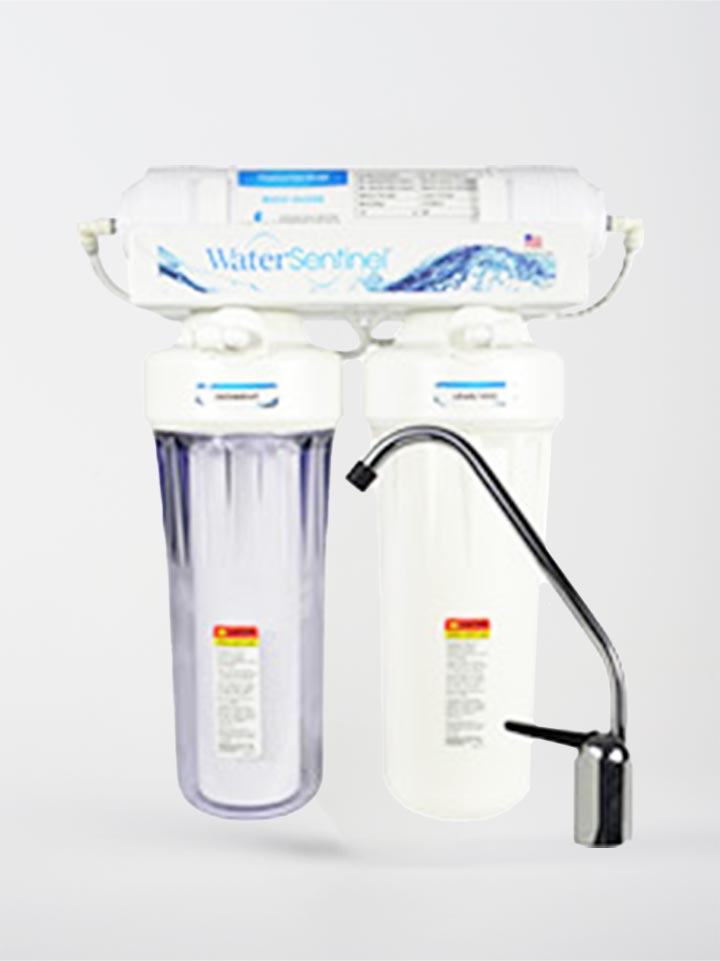
Ultimately, the best way to know your water filter is working is to start with a filter that is clearly tested, properly designed, and transparent about what it reduces. Filters that provide clear guidance on lifespan, usage limits, and performance standards offer greater confidence over time. When paired with regular replacement, they help ensure your water remains cleaner, better tasting, and more consistent every day.
Take the Next Step Toward Cleaner, More Reliable Water
If you’re questioning whether your current filter is still doing its job, it may be time for a replacement. Explore WaterSentinel® water filters designed for dependable performance, consistent filtration, and easy replacement — so you never have to guess about your water quality.
👉 Shop WaterSentinel® filters today and enjoy confidence in every glass of water.